Begin with how the property should work.
A useful landscape plan starts with circulation, views, gathering, pets, maintenance, sun, shade, access, and the parts of the yard that need to change. Materials and planting follow those priorities.
Turf + hardscape
planned as one space
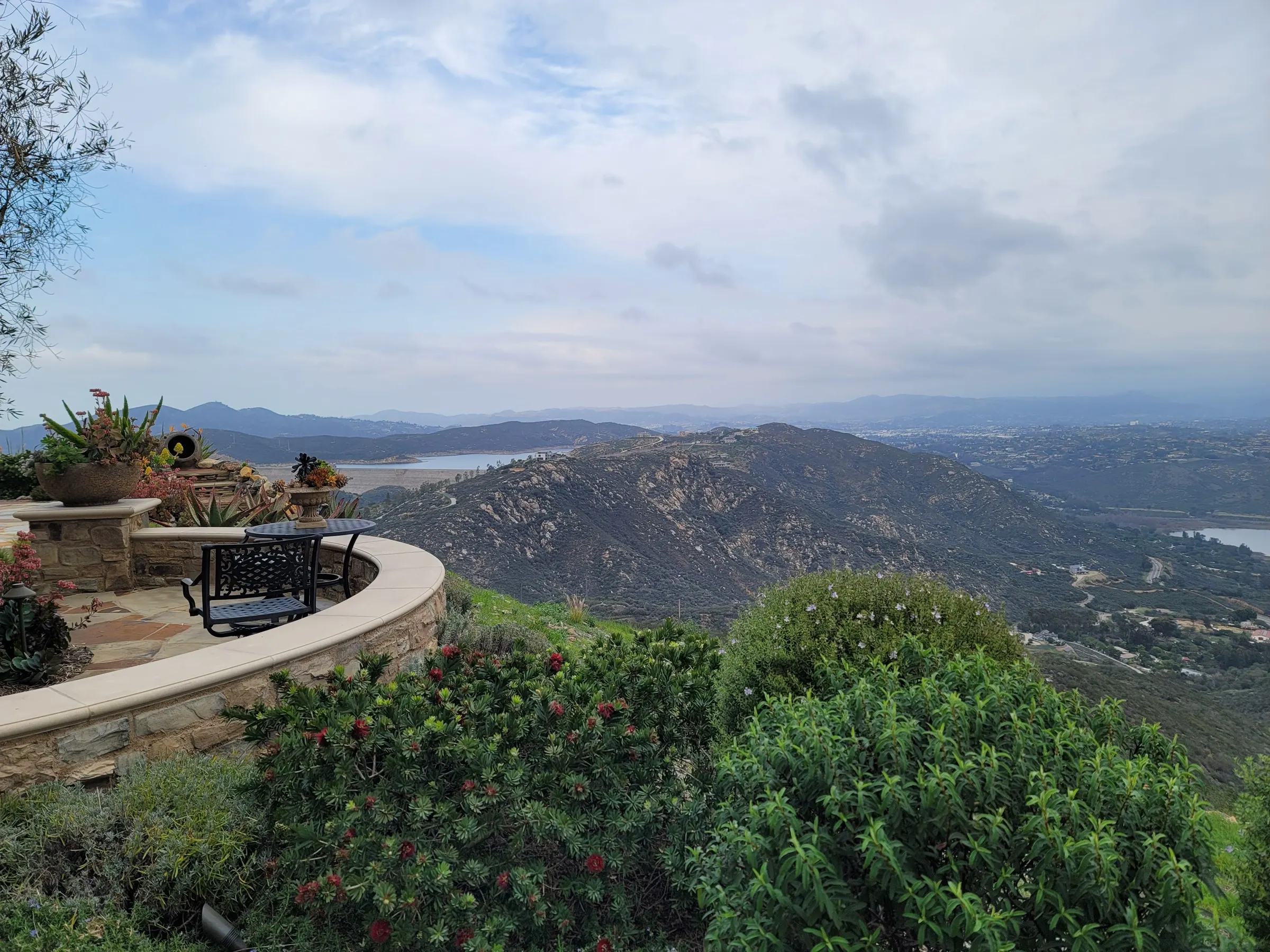
Landscape design and build · San Diego County
The short answer
Landscape design and build coordinates the visible yard with the site work that supports it. LuxTurfscape plans planting areas, irrigation, turf, hardscape, drainage, grade, and outdoor use as connected decisions for San Diego County properties.
A useful landscape plan starts with circulation, views, gathering, pets, maintenance, sun, shade, access, and the parts of the yard that need to change. Materials and planting follow those priorities.
Turf, planting, pavers, walls, lighting, and irrigation meet at edges and transitions. Reviewing them together helps define finished elevations, access, water movement, and a coherent visual direction.
Some projects need a full-yard plan. Others need a focused area or a coordinated installation phase. The right starting point depends on the property, the improvements being considered, and the decisions already made.
The process
Discuss daily use, visual direction, existing problems, maintenance expectations, timing, and the areas that need attention.
Consider access, grade, drainage, sun, existing planting, irrigation, utilities, walls, surfaces, and connections to the home.
Bring planting, turf, hardscape, irrigation, lighting, and site work into a practical sequence with clear material decisions.
Complete the agreed landscape work in sequence, then review the finished scope and relevant care information.
Planning the investment
Useful pricing starts with the actual property and complete scope. These are the factors most likely to affect the work:
Questions homeowners ask
The scope can include layout, planting areas, irrigation, turf, hardscape, lighting, walls, grade, drainage, and installation coordination. The exact combination should be defined after the property and intended use are reviewed.
Not always. A focused improvement may need only a clear site review and coordinated scope. A broader plan is more useful when several areas, elevations, utilities, materials, or installation phases affect one another.
Yes. Reviewing edges, finished elevations, drainage, irrigation, circulation, and maintenance together can prevent one improvement from creating a problem for another.
Irrigation can be part of the scope when it supports the planned planting and site conditions. Existing systems, water routes, zones, access, and the requirements of the selected planting should be reviewed first.
Requirements depend on the property, jurisdiction, community rules, and scope. Walls, grading, structures, utilities, and work near setbacks or public areas may require review by the appropriate authority.
Project area, demolition, access, grade, drainage, planting, irrigation, soil preparation, turf, hardscape, walls, lighting, utilities, materials, permits, and phasing can all affect the proposal.
Timing depends on design decisions, scope, material availability, site preparation, access, permits, specialty work, weather, and inspection requirements. A useful schedule follows an agreed scope.
San Diego County
Tell us what is not working, how you want to use the yard, and what you are considering.